
How to Organise a Freezer: What to Freeze, How to Label, and When to Use Food
Keeping a freezer in order is not just about saving space — it directly affects food quality, safety, and household efficiency. With rising food costs in 2026 and a stronger focus on reducing waste, a well-managed freezer has become an essential part of everyday home management. By understanding what freezes well, how to label items correctly, and when to use them, you can avoid spoilage, simplify cooking, and maintain a consistent stock of ingredients.
What Foods Freeze Well and How to Prepare Them Properly
Not all foods behave the same way in freezing conditions. Products with high water content, such as berries, soups, and cooked meals, tend to freeze well because their structure remains relatively stable when thawed. Meat, poultry, and fish also freeze effectively, provided they are stored airtight to prevent freezer burn. In contrast, foods like lettuce, cucumbers, or cream-based sauces often lose texture and should be avoided or used differently.
Preparation is key to preserving flavour and texture. Vegetables benefit from blanching before freezing — a short boil followed by rapid cooling — which slows enzyme activity and helps retain colour and nutrients. Meat should be portioned into meal-sized pieces to avoid repeated thawing. Cooked dishes should be cooled completely before freezing to prevent condensation, which can lead to ice crystals and quality loss.
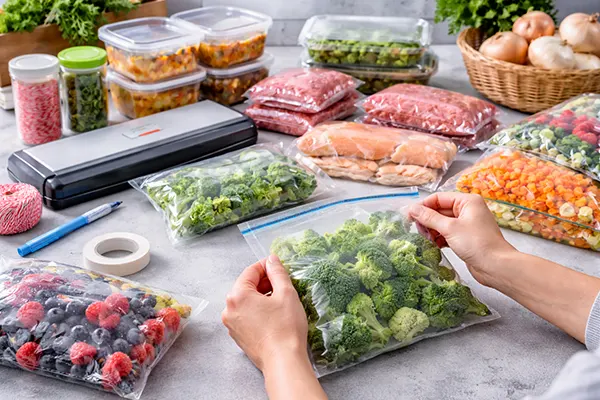
Packaging plays an equally important role. Use freezer-safe bags, vacuum sealing, or airtight containers to limit exposure to air. Removing as much air as possible helps prevent oxidation and freezer burn. Flat packing — especially for sauces and soups — also allows for quicker freezing and easier stacking, making better use of available space.
Common Freezing Mistakes to Avoid
One of the most frequent mistakes is placing warm food directly into the freezer. This raises the internal temperature and can partially thaw nearby items, affecting overall food safety. Always allow food to cool to room temperature before freezing, ideally within two hours of cooking.
Another issue is overloading the freezer. While it may seem efficient to fill every available space, overcrowding reduces airflow and slows down freezing time. This can result in larger ice crystals forming, which damage food texture. A balanced arrangement ensures even freezing and better long-term storage.
Improper packaging is also a common problem. Thin plastic bags or loosely sealed containers allow air and moisture to enter, leading to freezer burn. Investing in proper storage materials or reusing durable containers significantly improves results and extends storage life.
How to Label and Track Frozen Food Effectively
Labelling is often overlooked, yet it is one of the simplest ways to maintain control over freezer contents. Every item should include the name of the food and the date it was frozen. This allows you to prioritise older items and avoid unnecessary waste. Even experienced home cooks can forget what is inside a container after a few weeks.
Using clear, consistent labelling methods makes a noticeable difference. Waterproof markers, adhesive labels, or even masking tape work well. Some households in 2026 are adopting digital tracking tools, but a simple handwritten system remains reliable and accessible for most people.
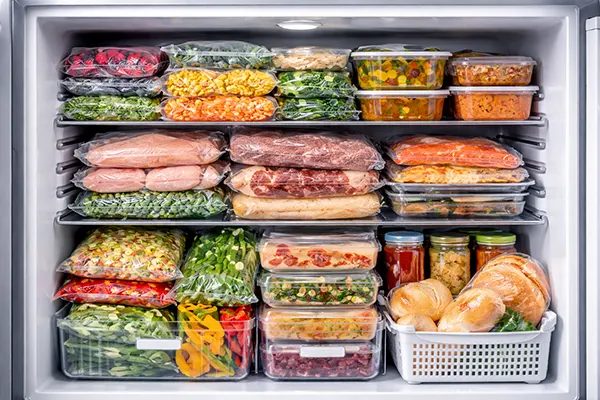
Organisation systems also help streamline usage. Dividing the freezer into sections — for example, raw meat, prepared meals, vegetables, and bread — reduces time spent searching. Keeping frequently used items at the front and rotating stock regularly ensures that nothing gets forgotten at the back.
Simple Systems That Actually Work
A first-in, first-out approach is one of the most practical systems for freezer management. When adding new items, place them behind older ones. This encourages natural rotation and ensures that food is used within a reasonable timeframe.
Another effective method is grouping meals by type or purpose. For instance, quick weekday meals can be stored together, separate from bulk ingredients. This saves time during busy periods and makes meal planning more straightforward.
Some households also keep a freezer inventory list on the door. This can be a simple note or a printed sheet updated weekly. It provides a quick overview of available food and reduces the likelihood of overbuying or duplicating items.
How Long to Store Food and When to Use It
Understanding storage times is essential for maintaining both quality and safety. While freezing slows bacterial growth, it does not eliminate it entirely. Most meats can be stored for 3–12 months depending on type, while cooked meals are best used within 2–3 months for optimal taste. Bread and baked goods typically last up to three months without significant quality loss.
Texture and flavour gradually decline over time, even in ideal conditions. Ice crystals can break down cell structures, especially in delicate foods. This is why it is important to use frozen items within recommended periods rather than treating the freezer as indefinite storage.
Defrosting methods also matter. The safest approach is to thaw food in the refrigerator, allowing gradual temperature change. For quicker use, a microwave or cold-water method can be applied, but these require immediate cooking afterwards. Refreezing thawed food is generally discouraged unless it has been cooked first.
Practical Tips for Using Frozen Food Wisely
Planning meals around what is already frozen helps reduce waste and save money. Setting aside one or two days per week to use freezer items can keep stock moving and prevent accumulation of forgotten products.
Cooking in batches is another efficient strategy. Preparing large portions and freezing them in smaller servings ensures that you always have ready-made meals without relying on processed options. This approach is particularly useful for busy households.
Finally, pay attention to signs of freezer burn or deterioration. While such food is usually safe to eat, it may have a dry texture or altered flavour. In these cases, using it in soups, stews, or sauces can help minimise waste while still making practical use of the ingredients.