
Creating Your Own Comfort Corner at Home
A well-organised comfort corner can become a supportive space for meditation, reading or any hobby you value. When designed thoughtfully, it encourages calm routines, helps you disconnect from daily pressure and gives you a reliable place to focus on self-care. Below you will find practical guidance based on real household design practices that remain relevant in 2025.
Building a Calm Atmosphere for Meditation
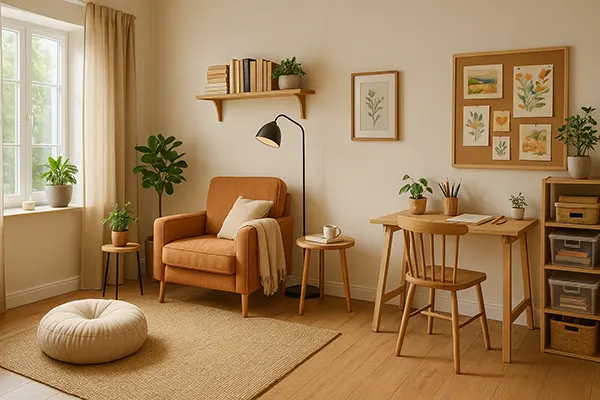
A dedicated meditation area works best when it is separated from household noise and allows you to maintain a relaxed posture without disturbance. Soft lighting, limited visual clutter and natural elements such as plants or wooden textures help reduce tension and support breathing exercises. Choosing a simple colour palette also prevents sensory overload.
Paying attention to seating is essential. A floor cushion, ergonomic stool or supportive chair ensures proper spine alignment and avoids long-term strain. People often overlook ventilation, yet fresh air has a direct impact on concentration levels and comfort during longer sessions.
Sound control is another detail worth considering. Thick curtains, rugs and upholstered furniture lower echo, while a small speaker with gentle background tracks can create steady rhythm for your practice. The goal is not silence but a stable acoustic environment.
Practical Tools for Maintaining Regular Practice
Maintaining consistency becomes simpler when the meditation corner includes items you use regularly, such as a timer, blanket or journal for post-session reflections. Keeping these objects within reach encourages a smoother start without unnecessary preparation.
Storage baskets or small shelves help keep the space tidy. When everything has its place, you avoid distractions and preserve the emotional purpose of the corner. A clutter-free area signals that the session is important and deserves undivided attention.
Adding a few symbolic objects such as stones, postcards or small artworks can make the corner personally meaningful. The aim is not decoration for its own sake but creating emotional anchors that support calm behaviour.
Creating a Reading Nook for Uninterrupted Focus
Readers benefit from a corner that feels both accessible and isolated from household movement. Positioning the chair near natural light reduces eye strain, especially during long reading sessions. As of 2025, many households use adjustable LED floor lamps to supplement daylight while keeping brightness gentle.
The chair or armchair should match your reading habits. Some people prefer soft seating with a footrest, while others choose firmer models with lumbar support. The key is maintaining a position that does not pressure the neck or wrists.
Temperature control also affects comfort. A lightweight blanket and a small side table for tea or water help maintain a steady routine. Good airflow prevents drowsiness while maintaining a relaxed state suitable for concentration.
Organising Books and Accessories
Compact bookshelves or wall-mounted racks allow you to keep current reads nearby without overcrowding the room. This prevents the need to move around the house searching for books, which disrupts focus.
Using a reading stand or adjustable holder can reduce hand fatigue, especially when reading large hardbacks. Many readers in 2025 also combine print and digital books, so adding a charging station for an e-reader is a practical step.
Soft textiles such as cushions and throws help manage posture shifts over long periods. Their role is not only aesthetic; they support the body and keep the experience enjoyable, even when reading for extended time.
Designing a Hobby Space That Supports Creativity
A hobby corner should align with the nature of your activity. Artistic hobbies require strong lighting and durable surfaces, while crafts such as knitting or embroidery benefit from softer seating and organised storage. The essential idea is to remove friction so you can start your hobby without delay.
In 2025, many people choose compact foldable furniture to save space. A folding desk or lightweight table can transform a small area into a functional hobby station within minutes. This approach is particularly useful in homes with limited square footage.
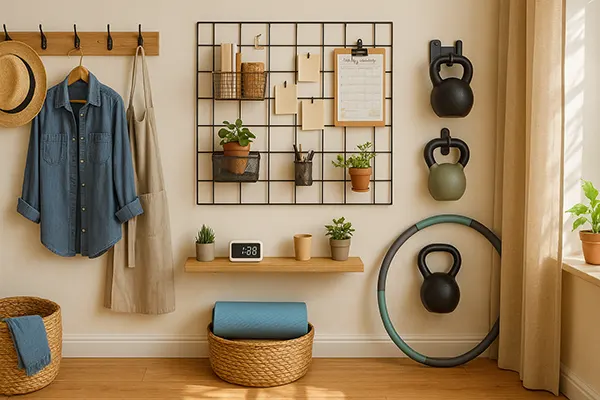
Organising tools properly makes a clear difference. Transparent boxes, labelled drawers or pegboards help you see everything instantly, reducing time spent searching for materials. The more intuitive the layout, the more likely you are to enjoy your hobby regularly.
Encouraging Long-Term Engagement
To maintain motivation, consider displaying small results of your work. A miniature shelf or clip board for finished pieces creates positive association and strengthens the habit. It also allows you to track personal progress over time.
Scheduling short, achievable hobby sessions can also support long-term engagement. A comfortable seat, good lighting and ready-to-use tools remove many obstacles that typically interrupt creative routines.
Finally, ensure the hobby corner remains adaptable. Your interests may shift, and a flexible layout helps you adjust the space without starting from zero. This adaptability keeps the corner functional and enjoyable for years.