
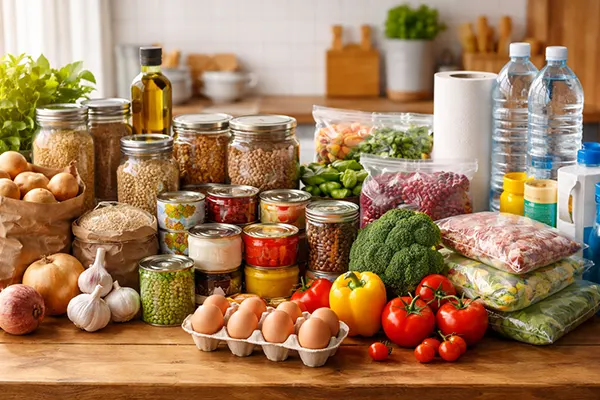
Home Food Stock for 7–10 Days: Building a Practical Reserve Without Overspending
Keeping a modest food reserve at home is no longer just a habit of careful households — it has become a sensible way to stay organised, reduce stress, and avoid unnecessary spending. A well-planned запас does not mean hoarding or filling cupboards at random. It is about choosing versatile products, understanding rotation, and focusing on real daily needs. With a structured approach, a 7–10 day запас can support your routine without waste or excess.
What Should Be Included in a Smart 7–10 Day Food Reserve
The foundation of any reliable home запас is made up of staple products with a long shelf life. These include grains such as rice, pasta, oats, and buckwheat, which are affordable, easy to store, and suitable for a wide range of meals. Adding dried legumes like lentils or beans increases nutritional value and helps create filling dishes without relying on fresh ingredients every day.
Canned goods play an important supporting role. Tinned vegetables, fish, and tomatoes can be used in soups, stews, or quick meals when time is limited. It is important to choose simple products without excessive additives and to keep a small but varied selection rather than buying in bulk without a plan.
Frozen foods complete the base of the reserve. Frozen vegetables, berries, and meat allow you to maintain balance in your diet even when fresh produce is unavailable. Unlike fresh items, they provide flexibility and reduce the risk of spoilage, making them a practical part of a weekly запас.
Essential Non-Food Items Often Overlooked
A practical запас is not limited to food alone. Drinking water should always be included, especially if your local supply can be disrupted. A simple запас of bottled water for several days ensures basic comfort and safety.
Basic household items such as salt, sugar, cooking oil, and tea or coffee are often taken for granted but quickly become essential when supplies run low. These products have long shelf lives and should always be kept at a stable level.
Do not forget simple everyday items such as paper goods, cleaning products, and matches or batteries. These are not consumed daily in large amounts, but their absence creates unnecessary inconvenience during short-term shortages.
How to Plan Quantities Without Overspending
The key to a cost-effective запас is realistic planning. Instead of guessing, it is better to estimate consumption based on your household’s actual habits. For example, tracking how much rice, pasta, or canned food you use in a week provides a clear baseline for building a 7–10 day reserve.
Buying in moderate quantities helps avoid waste. Large packs may seem cheaper, but they are only practical if the products are regularly used. Otherwise, they take up space and may expire before being fully consumed. A balanced approach focuses on frequent use rather than perceived savings.
Seasonal and promotional purchases can also support your запас, but they should always match your real needs. It is more effective to buy discounted essentials you already use than to experiment with unfamiliar items that may remain untouched.
Simple Budgeting and Rotation Principles
Rotation is one of the most important habits in maintaining a запас. The principle is simple: use older products first and replace them with new ones. This prevents expiration and keeps your запас fresh without additional effort.
Labelling or organising shelves by date can simplify this process. Even a basic system, such as placing newer items behind older ones, ensures that nothing is forgotten. This approach is widely used in professional kitchens and works equally well at home.
Setting a small monthly budget for replenishment also helps control spending. Instead of large one-time purchases, regular small updates keep your запас stable and prevent sudden financial pressure.

Common Mistakes When Building a Home Food Reserve
One of the most frequent mistakes is buying too much of a single product. A запас should be varied, as relying on one type of food limits meal options and can lead to waste if preferences change. Variety ensures flexibility and better nutrition.
Another issue is ignoring storage conditions. Even long-life products can spoil if stored improperly. Dry goods should be kept in sealed containers, while frozen items require consistent temperatures. Proper storage extends shelf life and preserves quality.
Many households also forget to adapt their запас over time. Eating habits, family size, and schedules change, and the запас should reflect those changes. Regular review helps keep it relevant and practical.
How to Keep Your Reserve Practical and Up to Date
A useful запас is one that integrates naturally into everyday life. Products should be used regularly rather than kept “just in case.” This ensures familiarity and reduces the risk of unused items.
Reviewing your запас every few weeks helps identify gaps or excess. It also provides an opportunity to adjust quantities based on current needs, seasonal changes, or new preferences.
Finally, simplicity is key. A well-structured запас does not need to be large or complex. A thoughtful selection of essentials, combined with consistent rotation and mindful purchasing, is enough to maintain stability without unnecessary expense.