
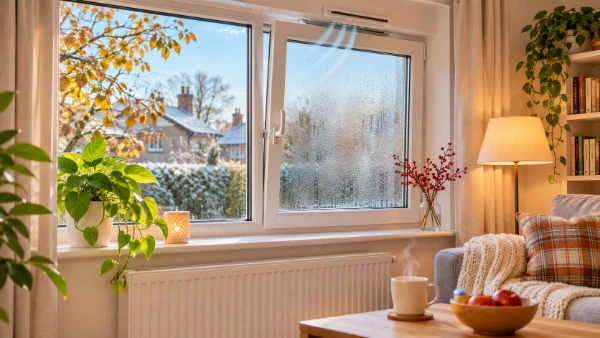
How to Prevent Window Condensation in Autumn and Winter: Humidity, Ventilation and Heating
Finding water droplets on your bedroom windows on a cold morning is a familiar problem in British homes. As autumn turns into winter, the difference between indoor and outdoor temperatures increases, making condensation more noticeable on glass, window frames and surrounding walls. Although a little moisture occasionally appearing on windows is not unusual, persistent condensation can damage paintwork, encourage mould growth and leave rooms feeling damp. Fortunately, preventing it does not necessarily mean replacing your windows or spending a fortune on heating. The most effective approach is to manage indoor humidity, provide adequate ventilation and keep your home comfortably warm. Understanding how these three factors work together will help you tackle condensation before it becomes a more serious household problem.
Why Condensation Forms on Windows During Colder Months
Window condensation develops when warm, moisture-laden indoor air comes into contact with a surface cold enough to turn some of that water vapour into liquid droplets. During autumn and winter, window glass is often considerably colder than the surrounding room, especially overnight. Even when the central heating is working properly, the inside surface of the glass may remain cool enough for condensation to form. This is particularly common with single glazing, older double-glazed units and windows in rooms that receive little sunlight. The problem becomes more noticeable when curtains are closed because warm air cannot circulate freely across the glass, allowing the area behind the curtains to cool further.
Everyday household activities continually add moisture to indoor air. Boiling a saucepan, taking a shower, washing dishes, drying clothes indoors and even breathing all release water vapour. During warmer months, open windows and natural airflow often remove much of this moisture without anyone paying particular attention. In winter, however, people tend to keep doors and windows shut to retain heat. Modern insulation and draught-proofing can further reduce uncontrolled air movement. Although these improvements make homes more energy-efficient, moisture can accumulate when suitable ventilation has not been provided. Eventually, the air contains more water vapour than the coldest surfaces can tolerate without condensation forming.
It is also important to distinguish condensation from other types of damp. Droplets appearing on the room-facing surface of a window usually indicate a combination of indoor moisture and cold glass. Water collecting between the panes of a sealed double-glazed window suggests that the glazing unit’s seal may have failed, which cannot be fixed by opening the windows. Condensation on the outside of modern glazing is generally harmless and may indicate that the window is retaining indoor heat effectively. Meanwhile, damp patches spreading from walls, ceilings or window reveals can have other causes, including leaks, damaged seals or defects in the building. Identifying where the moisture appears is the first step towards choosing an appropriate solution.
How to Recognise Excess Humidity Before Mould Appears
Persistent condensation often provides an early warning that indoor moisture levels need attention. Look for water gathering along the bottom of windowpanes, wet window sills, peeling paint around frames or dark marks developing near silicone seals. Bedrooms may be particularly affected because people release moisture while sleeping, and the windows remain closed for several hours. A room that smells musty when you enter it in the morning may also have insufficient ventilation. Another useful clue is how quickly the glass dries. Occasional misting that disappears soon after the room is ventilated is generally less concerning than droplets that remain throughout the day or return repeatedly despite being wiped away.
A small digital hygrometer can help you understand what is happening indoors rather than relying entirely on visible signs. This inexpensive device measures relative humidity, which describes how much moisture the air contains compared with the maximum it could hold at its current temperature. A practical starting point for many homes is to aim for approximately 40–60% relative humidity, while recognising that colder windows and poorly insulated walls may develop condensation even within that range. Readings consistently above 60% deserve attention, particularly during winter. Place the hygrometer away from radiators, direct sunlight and open windows, and check it at different times of day to see how cooking, showering and overnight occupancy affect the results.
Humidity readings should always be considered alongside room temperature and the condition of the building. A reading of 55% does not guarantee dry windows if the glass becomes extremely cold overnight. Likewise, a temporary increase after a hot shower is not necessarily a problem if the moisture is removed promptly. Try recording the humidity in your bedroom before going to bed and again after waking, then compare the results with the amount of condensation on the glass. Repeat the same checks in the kitchen and living room. After several days, patterns usually become clearer, helping you identify whether the main issue is moisture production, poor airflow, inadequate heating or a combination of these factors.
Controlling Indoor Humidity and Improving Ventilation
Reducing the amount of moisture released into the home is often the simplest place to begin. When cooking, use lids on saucepans and turn on the extractor fan before steam starts filling the kitchen. Where possible, choose a cooker hood that extracts air outdoors rather than one that merely recirculates it through a filter. Keep the kitchen door closed while preparing particularly steamy meals so moisture does not spread into bedrooms and living areas. In the bathroom, use the extractor during showers and allow it to continue running afterwards. Removing water from shower screens and tiles with a squeegee also reduces the amount left to evaporate into the room.
Indoor laundry drying is another common source of winter condensation, especially in flats and households without access to an outdoor washing line. Clothes drying on radiators release moisture directly into heated rooms and may interfere with efficient heat circulation. Whenever practical, dry washing outdoors during suitable weather or use a properly vented or maintained condenser or heat-pump tumble dryer. If clothes must dry indoors, choose a suitable room with effective ventilation, keep the door closed and avoid spreading damp washing throughout the house. A dehumidifier can be useful in this situation, particularly when several loads of laundry are being dried during wet weather. However, removing moisture with an appliance should complement, rather than replace, adequate fresh-air ventilation.
Good ventilation does not require leaving every window wide open throughout the winter. The aim is to replace damp indoor air with fresher outdoor air while avoiding unnecessary heat loss. Short periods of effective ventilation can be more practical than keeping a window slightly open all day. Where it is safe to do so, open windows for at least five minutes several times daily, preferably on different sides of the home to encourage airflow. Pay particular attention to mornings, when bedrooms have been occupied overnight, and to periods immediately after moisture-producing activities. Cold outdoor air can still help reduce indoor humidity because it often contains less water vapour than warm indoor air, even when the weather outside feels damp.
Practical Ventilation Habits for Kitchens, Bathrooms and Bedrooms
In the kitchen, ventilation should begin as soon as cooking starts rather than waiting for the windows to become misty. Run an extractor that vents outdoors, keep saucepan lids in place and avoid letting steam spread into adjoining rooms. After cooking, allow the extractor to continue operating until the excess moisture has cleared. Bathrooms benefit from a similar routine: keep the door closed during a shower, use the extractor fan and leave it running afterwards. Around 15–20 minutes may be useful for many intermittent fans, although the necessary running time depends on the room and the fan’s performance. If mirrors remain heavily steamed or the walls stay wet for a long time, the ventilation may need checking.
Bedrooms require a slightly different approach because humidity often rises gradually while people sleep. Opening the bedroom window briefly after getting up can help remove the accumulated moisture before it settles on cold surfaces. Fold back bedding to allow trapped moisture to escape, and avoid pushing large wardrobes or beds tightly against cold external walls. Leaving a modest gap behind furniture supports air circulation and makes hidden damp easier to spot. Where windows have trickle vents, keep them open and unobstructed under normal conditions. These small openings provide a controlled supply of fresh air without requiring the window to remain fully open. Avoid blocking permanent ventilation openings, especially those needed for fuel-burning appliances.
Ventilation should also suit the property and the people living in it. Homes with continuous mechanical ventilation may require a different routine from those relying on open windows and intermittent extractors. Follow the installed system’s instructions and maintain filters and fans as recommended. When opening windows, consider security, children, pets, outdoor pollution and severe weather. During particularly cold spells, several brief periods of ventilation may be more comfortable than prolonged airing. If humidity remains high despite sensible daily habits, check whether extractors are functioning correctly and whether air can move between rooms. A dehumidifier can lower moisture levels, but it cannot remove indoor pollutants or supply fresh air on its own.

How Heating and Window Insulation Help Prevent Condensation
Maintaining a reasonably consistent indoor temperature makes condensation less likely because warm surfaces are less prone to collecting water vapour. When rooms become very cold overnight, windows, walls and surrounding frames lose heat, increasing the likelihood of moisture forming on them. A practical approach is to heat occupied rooms to a comfortable level rather than repeatedly allowing the property to become extremely cold and then overheating it. Many households find temperatures around 18–21°C suitable for living spaces, although individual needs, health conditions and the home’s insulation will affect the appropriate setting. Heating alone will not solve excessive humidity, but it plays an important supporting role when combined with ventilation.
Radiators and other heating systems should be able to distribute warmth around the room without major obstructions. Heavy curtains hanging directly over radiators, furniture placed immediately in front of them and decorative radiator covers can interfere with heat circulation. When radiators sit beneath windows, keeping the surrounding space reasonably clear helps warmer air reach the glass. Check that thermostatic radiator valves work properly and that colder rooms receive sufficient heat for their intended use. If a bedroom is kept significantly cooler than the rest of the house, moisture from warmer adjoining rooms may settle on its colder surfaces. Closing doors during moisture-producing activities and maintaining appropriate temperatures can help reduce this effect.
Energy efficiency matters because poorly insulated homes lose warmth quickly, making both condensation control and heating more difficult. Draught-proofing unwanted gaps can improve comfort, but sealing a home without considering ventilation may trap additional moisture. Insulating suitable walls, roofs and floors can help maintain warmer internal surfaces, while well-installed double glazing can reduce heat loss through windows. Nevertheless, replacing windows should not be the automatic first response to condensation. If moisture is primarily caused by drying clothes indoors, ineffective extraction or permanently closed vents, even high-performance glazing may not completely resolve the problem. It is generally better to address humidity, ventilation and building defects together rather than treating one symptom in isolation.
What to Do When Condensation Keeps Returning
If your windows are wet every morning despite regular ventilation and reasonable heating, start by checking the easiest possible causes. Use a hygrometer to establish whether humidity stays elevated, confirm that extractor fans are working and inspect trickle vents for dust or blockages. Wipe condensation from the glass and frames with an absorbent cloth or window vacuum, then dry the surrounding surfaces rather than leaving water pooled on the sill. Pay particular attention to timber frames, which can deteriorate when repeatedly exposed to moisture. If condensation is concentrated around one window, examine the seals, frame and adjoining wall for draughts, damage or localised cold spots that may require repair.
Consider a suitable dehumidifier when the property regularly experiences excessive moisture, particularly during prolonged wet weather or indoor laundry drying. Choose a model appropriate for the room size and temperature, position it according to the manufacturer’s instructions and keep doors and windows arranged as recommended while it operates. Empty the water tank and clean filters regularly. A dehumidifier can make a noticeable difference to humidity, but it is not a permanent answer to leaking roofs, defective plumbing, failed glazing seals or inadequate ventilation. Avoid relying on moisture-absorbing tubs for serious damp problems, as their limited capacity makes them unsuitable for managing large amounts of household water vapour.
Persistent mould, spreading damp patches, deteriorating plaster or condensation that remains severe after practical improvements should prompt further investigation. Mould should not simply be painted over, and recurring growth needs its underlying moisture source addressed. If you rent your home, report ongoing damp and mould to your landlord or managing agent, including photographs and a record of when the problem occurs. Homeowners may need advice from an appropriately qualified surveyor, ventilation specialist or window installer, depending on the symptoms. The most reliable long-term prevention is a combination of controlled humidity, working ventilation, sufficient heating and sound building maintenance. With these measures in place, windows are more likely to remain dry through autumn and winter, while the home stays healthier and more comfortable.